Paul Klee said drawing is a line going for a walk, back in 1925, in a lecture that eventually became the Pedagogical Sketchbook. A hundred years later, that walk has turned into one of the most reliable tools in brand illustration—cheap to produce, easy to scale, and stubbornly good at making a small business look like it hired a real design studio.
Our Arthur Avakyan’s recent line art collection for Tubik is a good excuse to talk about why this line art illustration style keeps winning client pitches. It’s a case study in why this brand illustration style has outlasted so many design trends, and why line drawing illustration remains one of the best illustration style for small brands options out there.
Animal Illustrations That Skip the Cute Trap
The animal set leans on smooth curves and single color pops rather than full rendering, and that restraint is the actual skill. This kind of animal line illustration shows how a single color illustration style can do more work than a fully rendered one.
Most pet-brand illustration defaults to cartoonish cuteness, which ages badly and reads younger than most audiences want. A cleaner move: pick one accent color per character instead of a full palette—a one-color character design approach. It reads as intentional, prints cheaply in one spot color, and holds up just as well on a tote bag as a website hero image—proof that minimalist line drawing choices are also practical production choices.
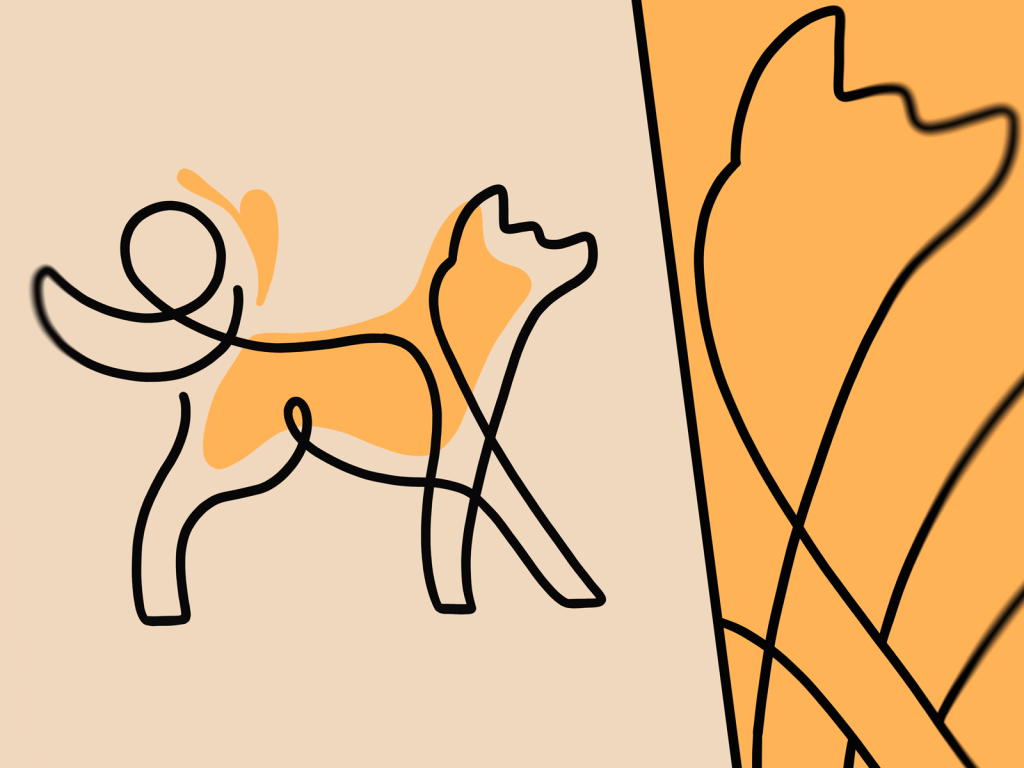
Dog line illustration
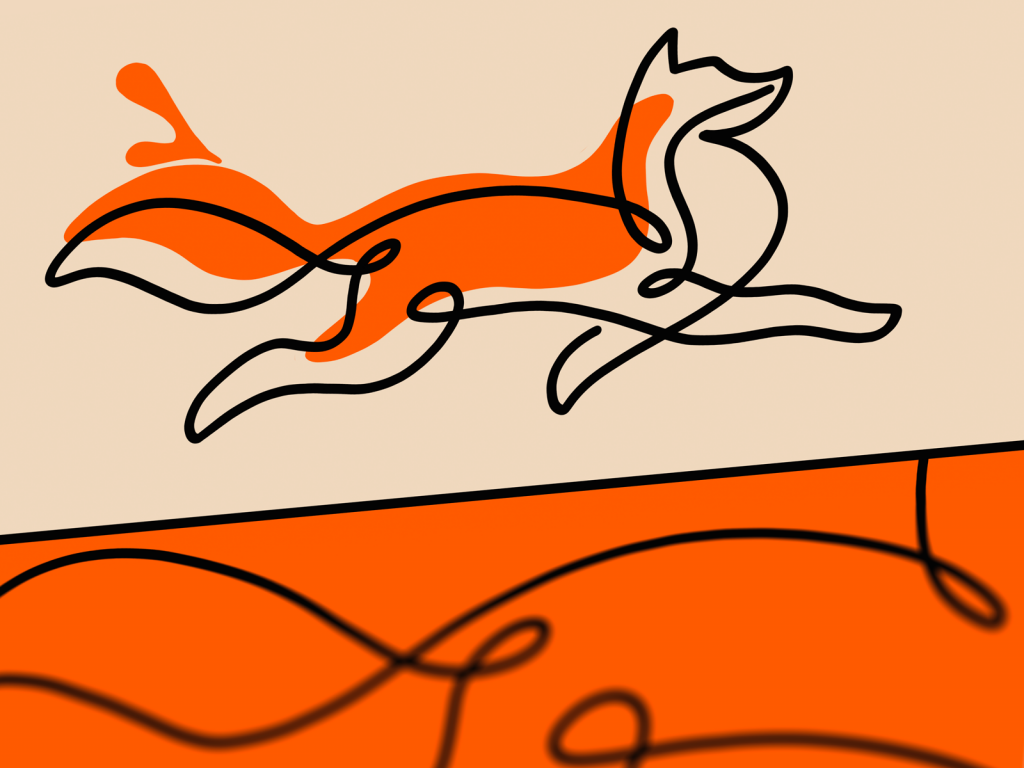
Fox line illustration
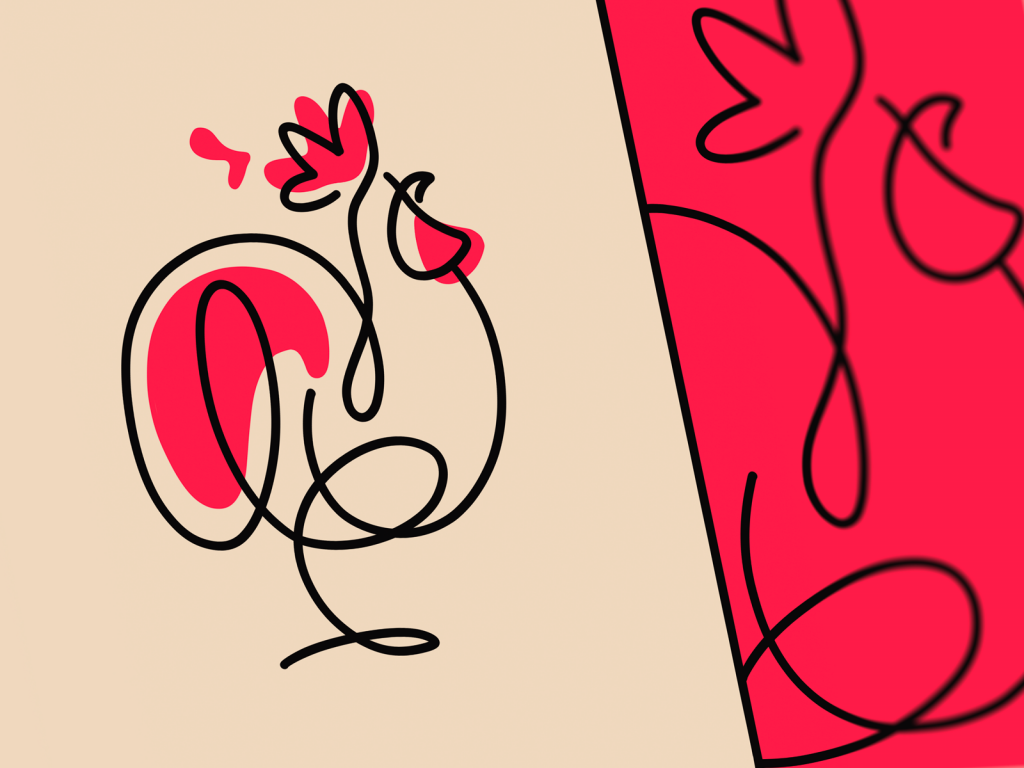
Rooster line illustration
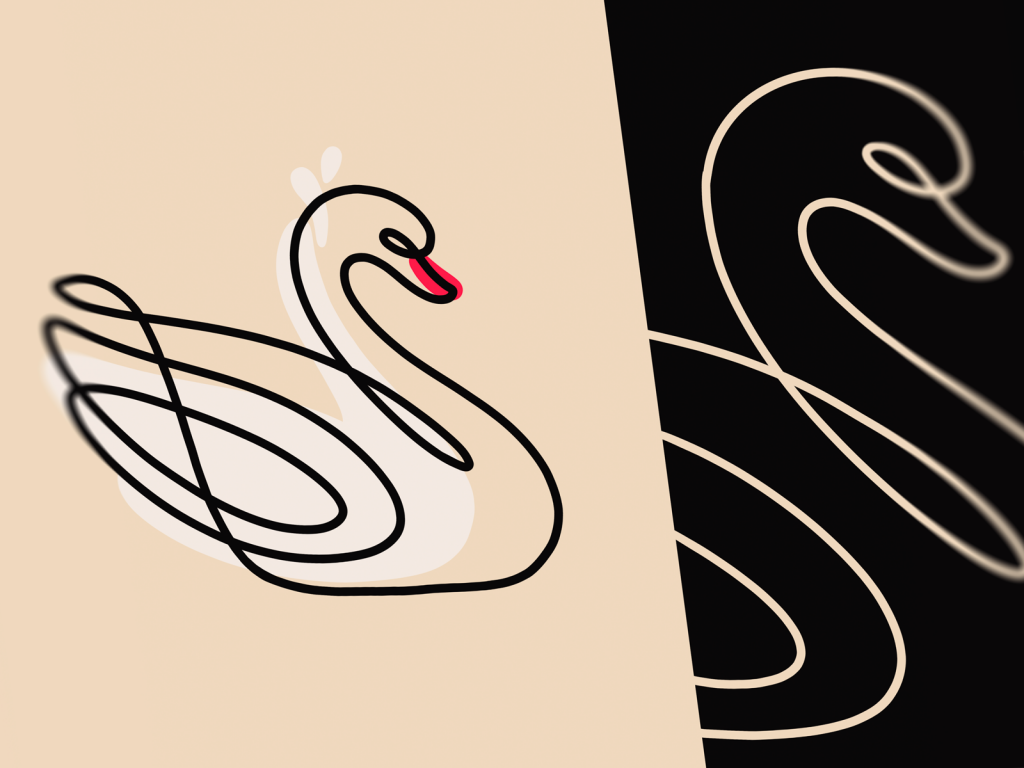
Swan line illustration
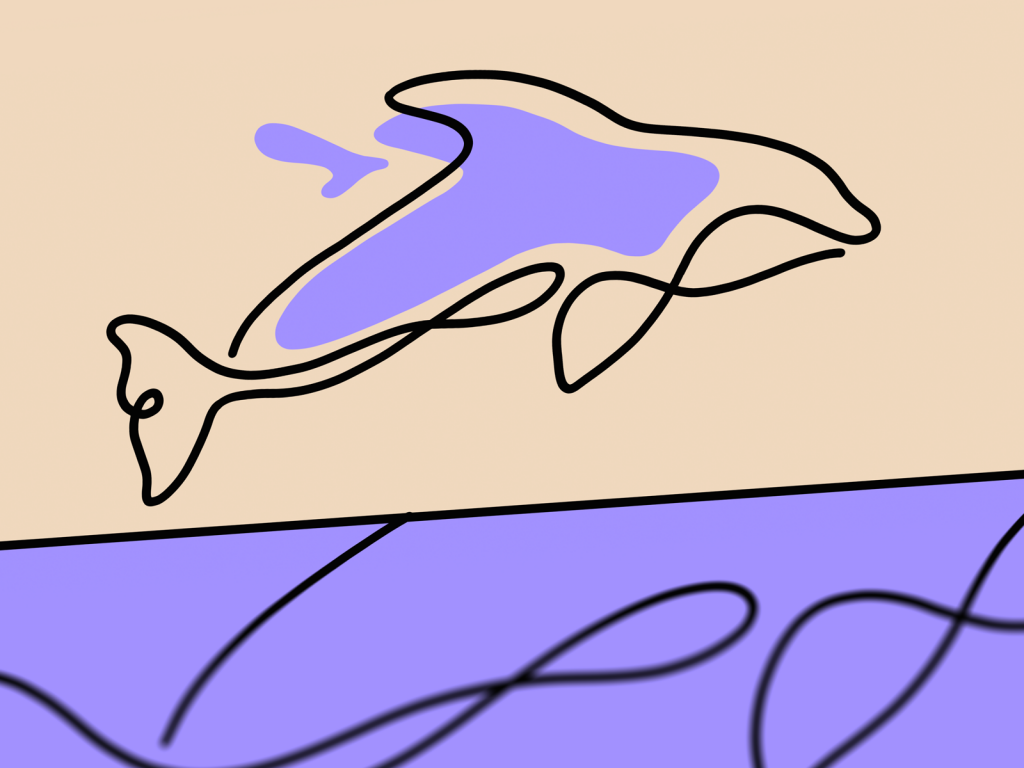
Whale line illustration
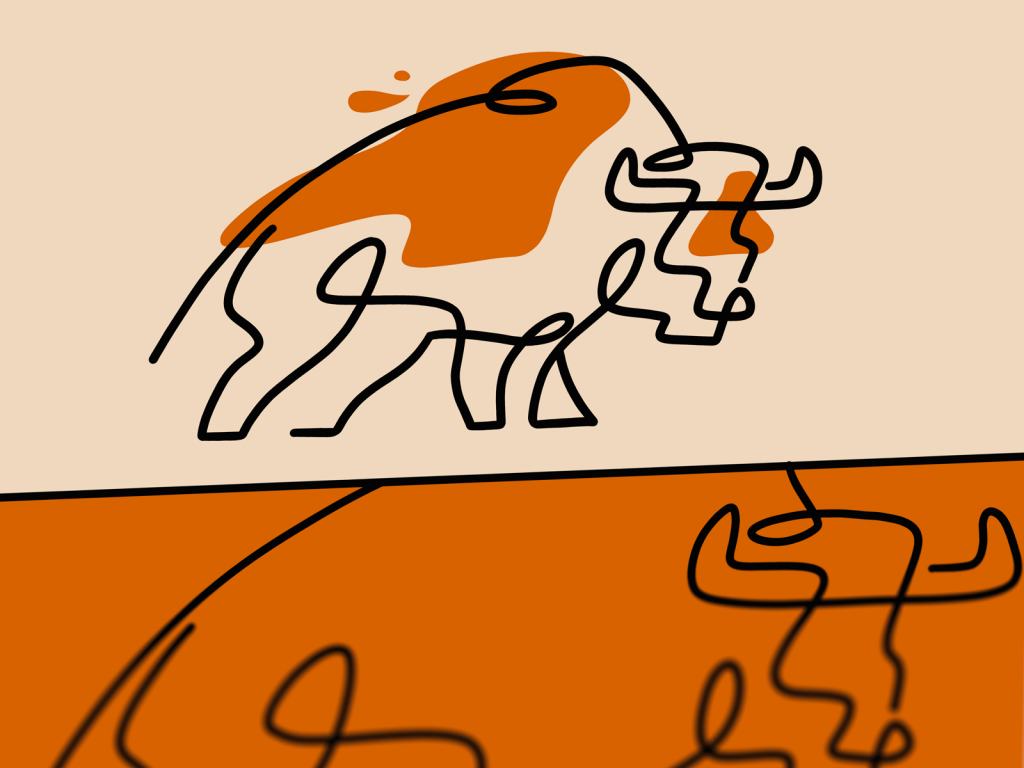
Bull line illustration
Food Brand Illustration, Broken Into a Formula
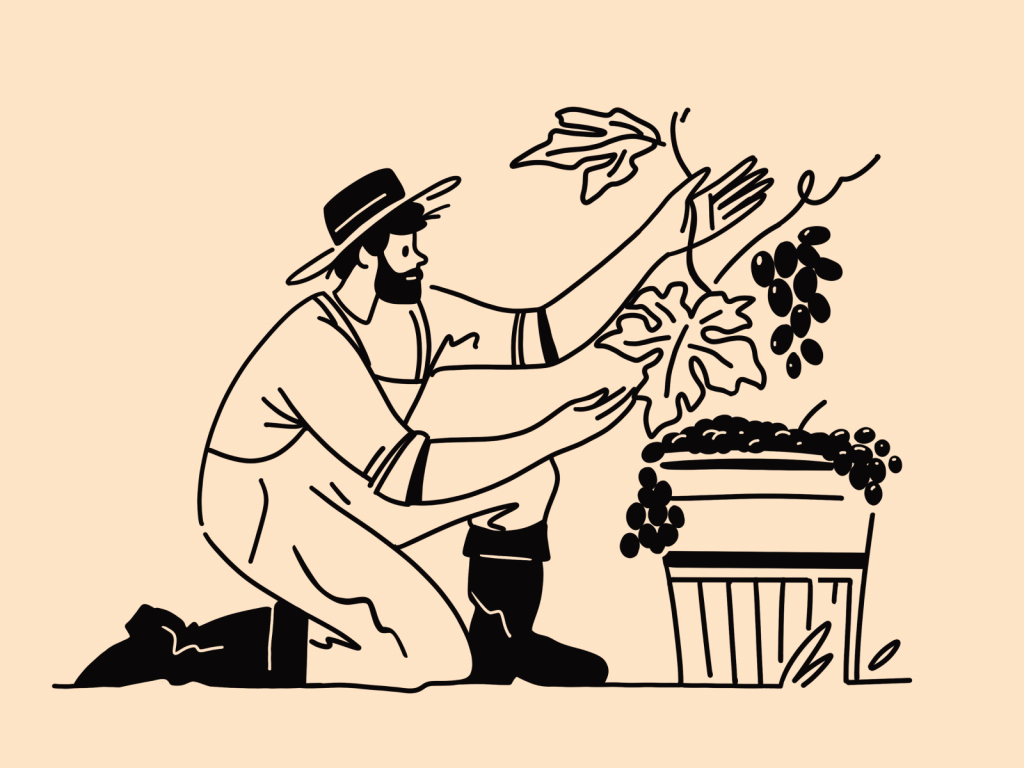
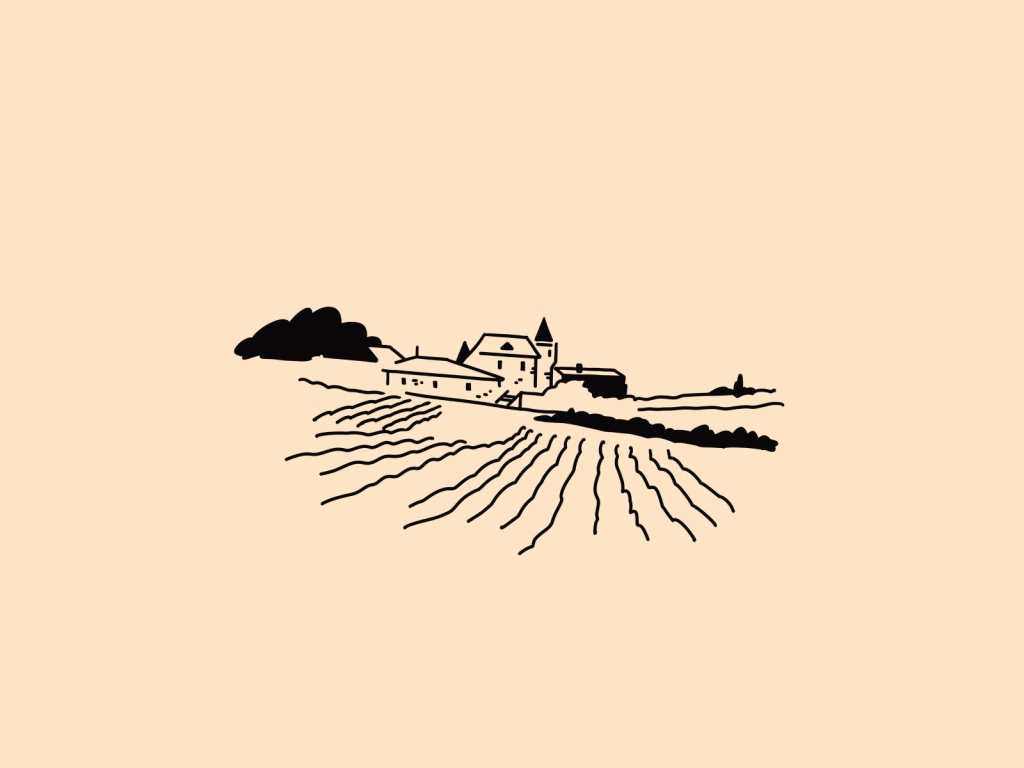
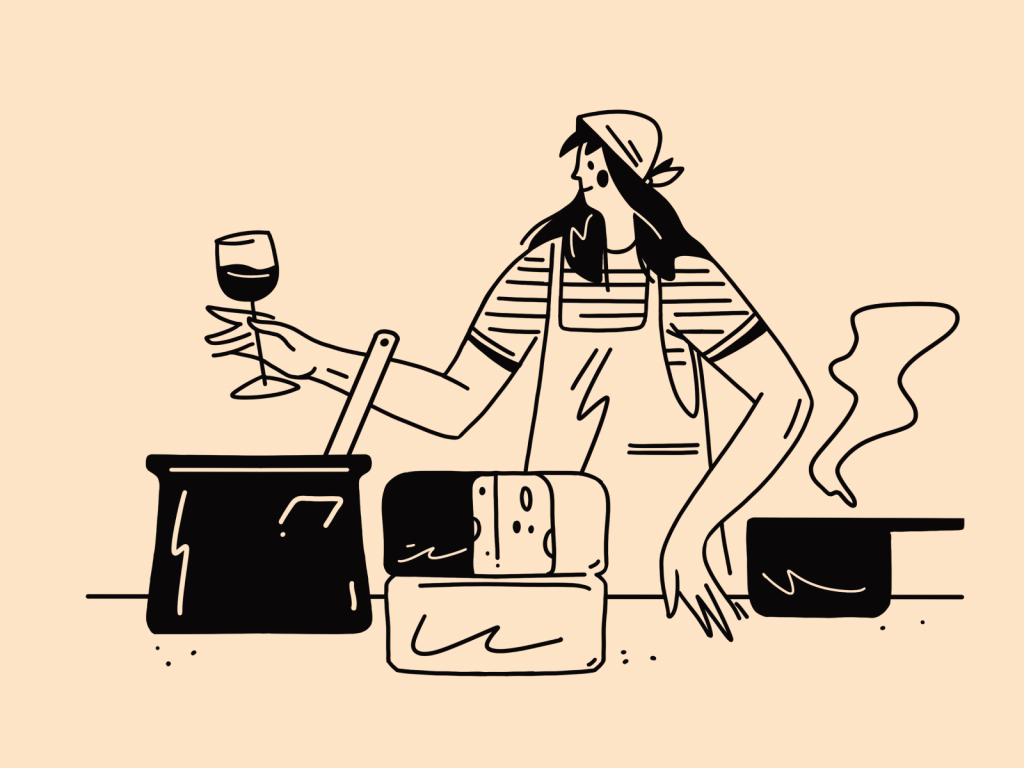
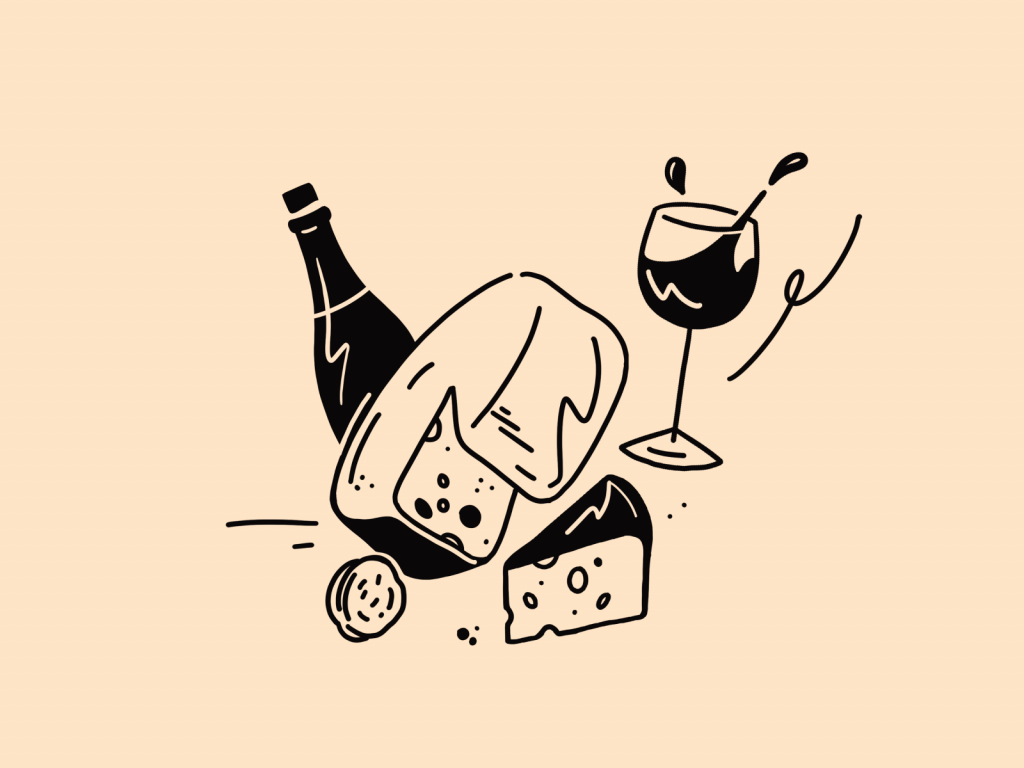
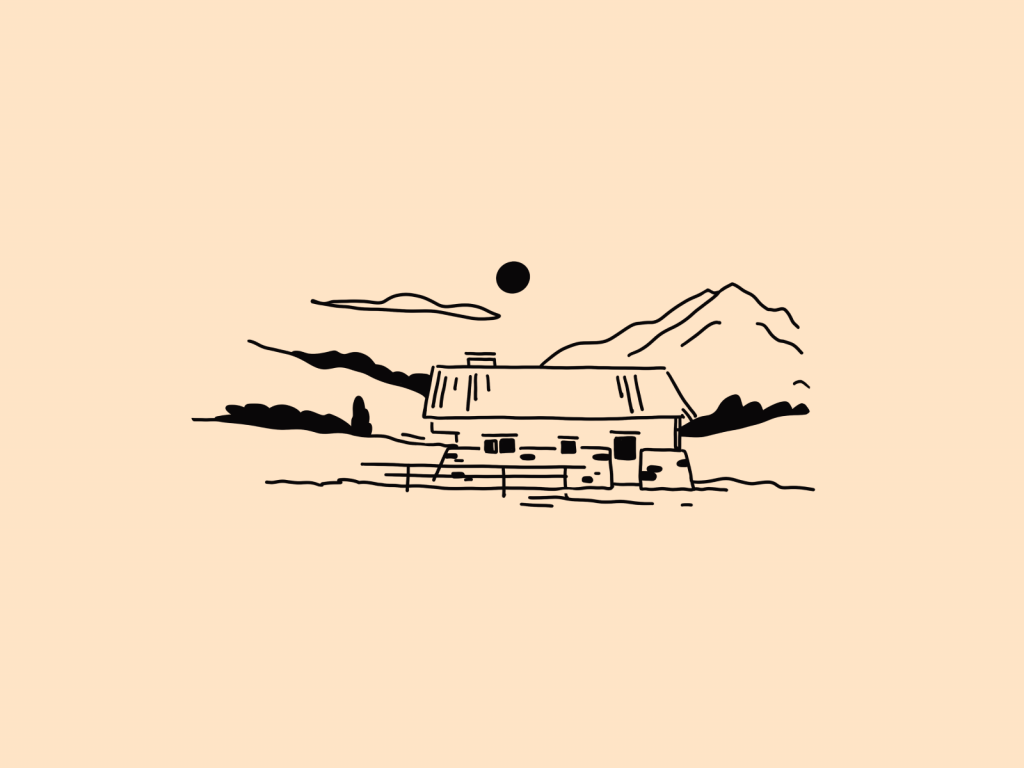
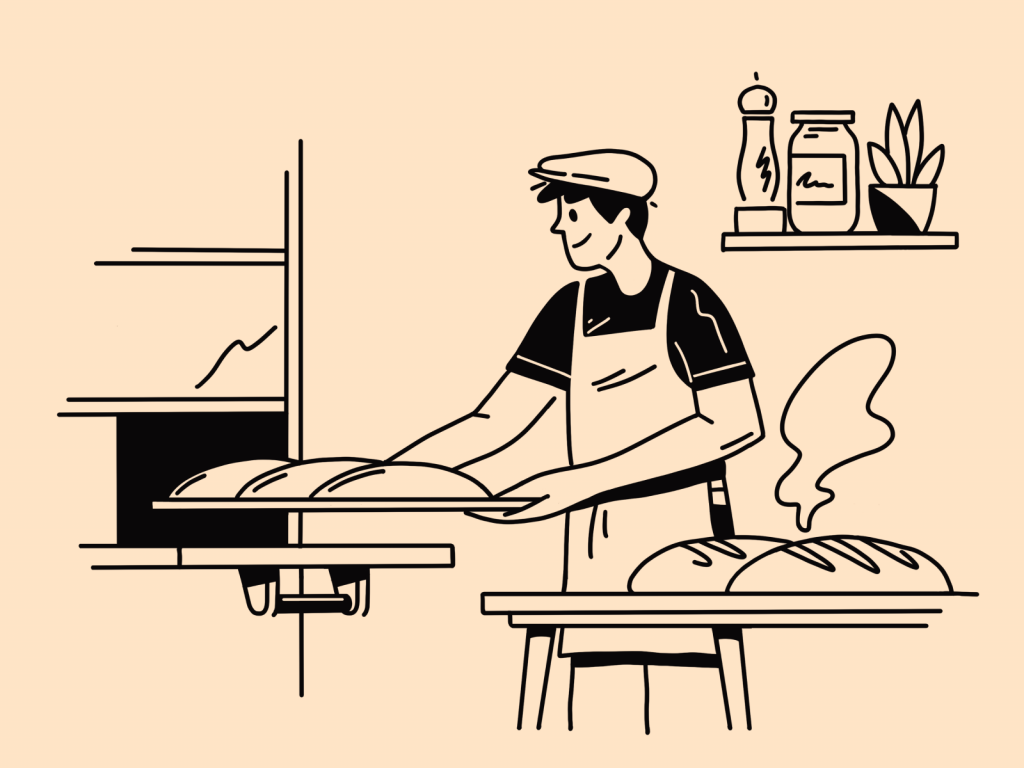
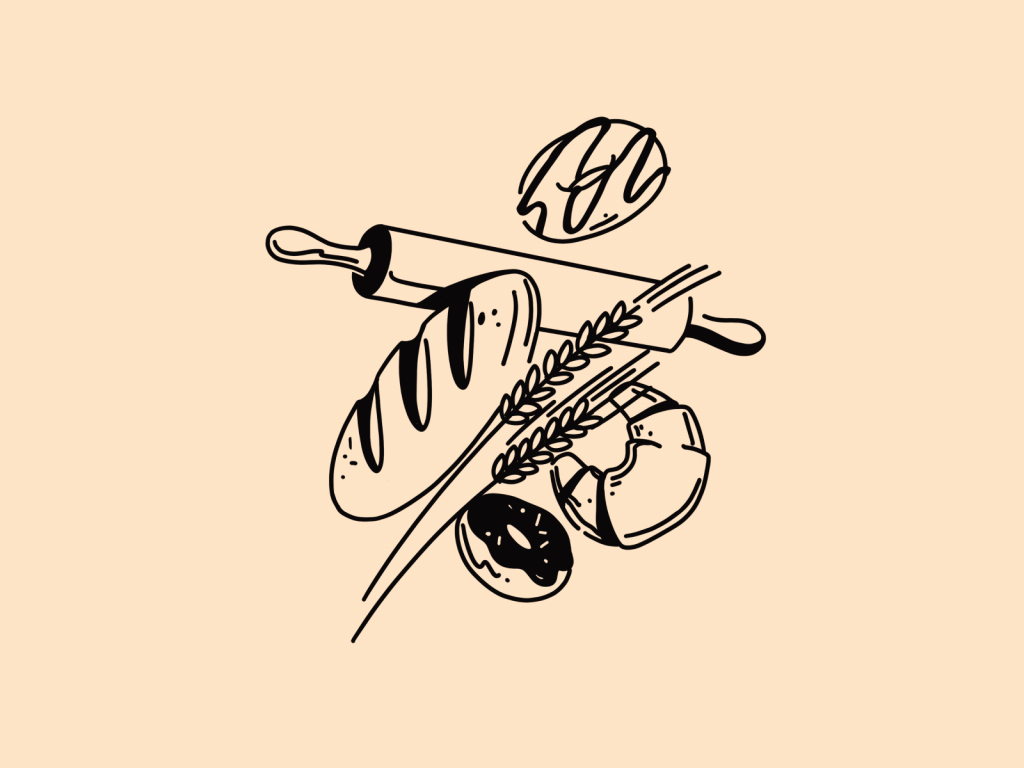
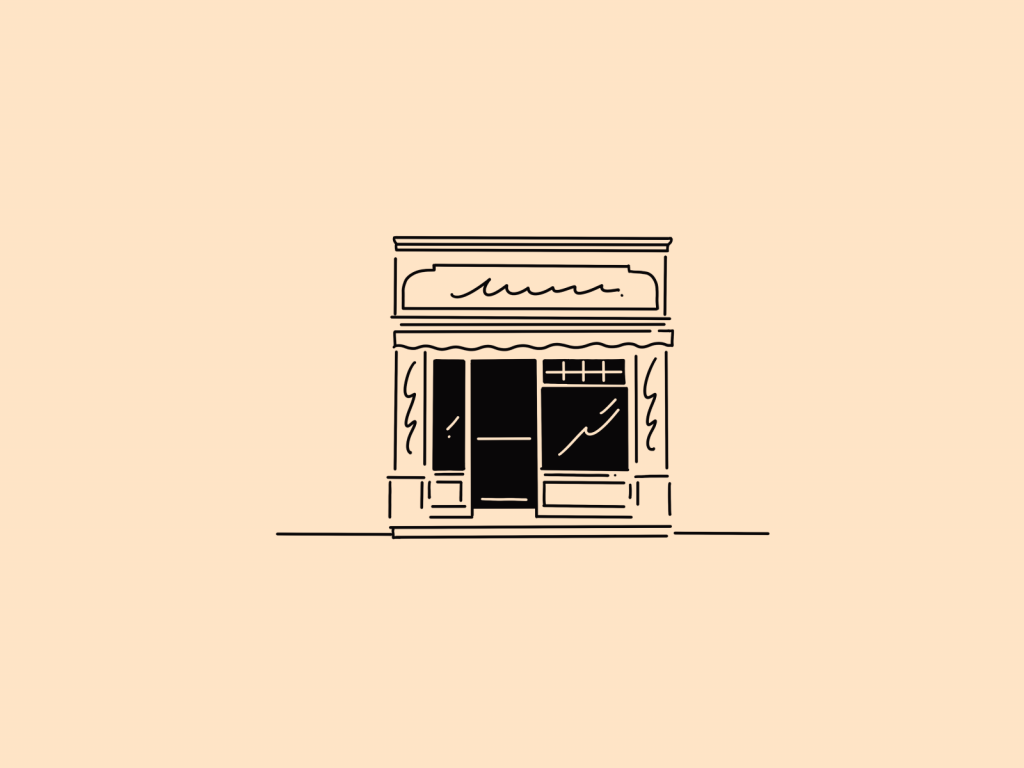
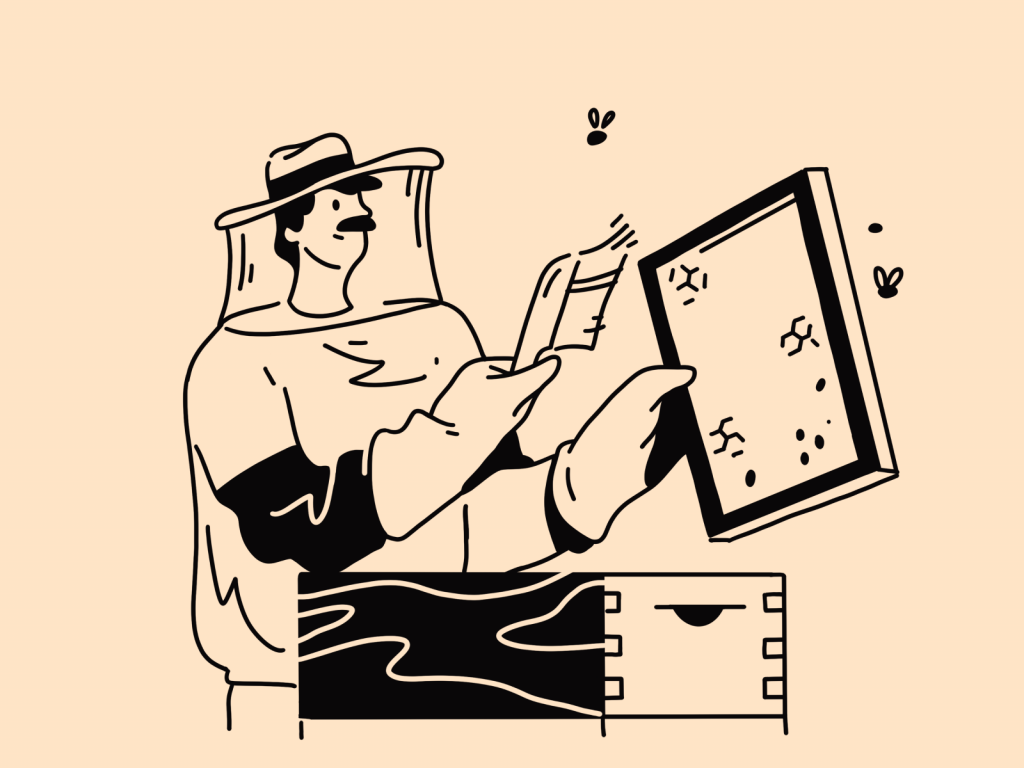
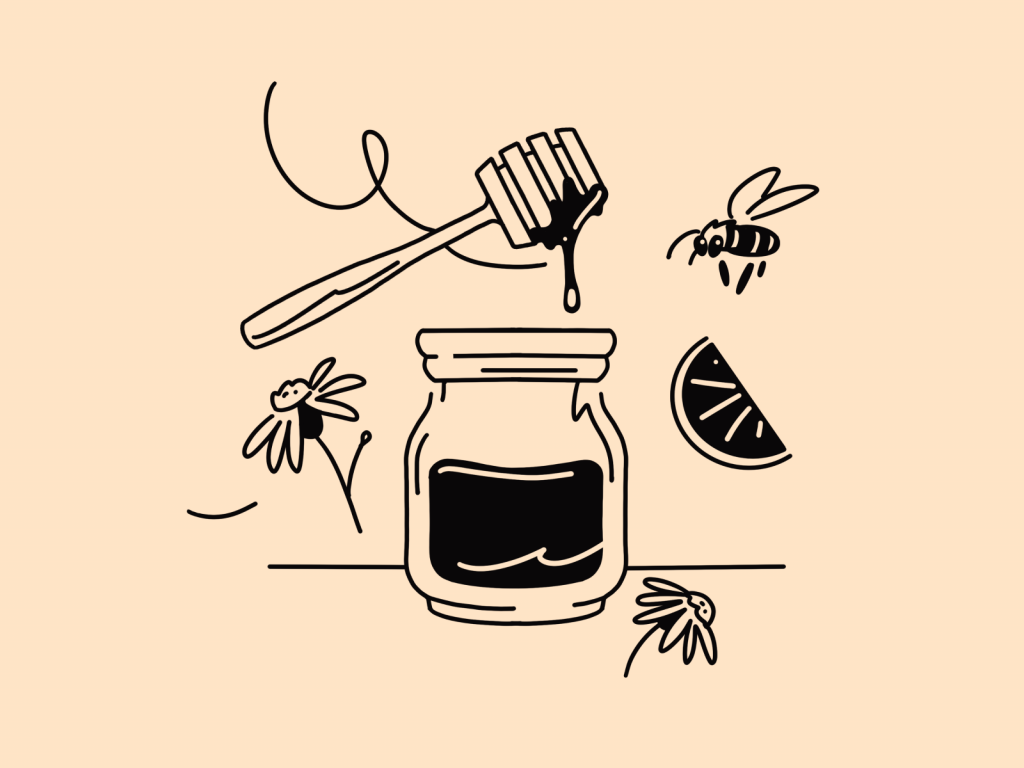
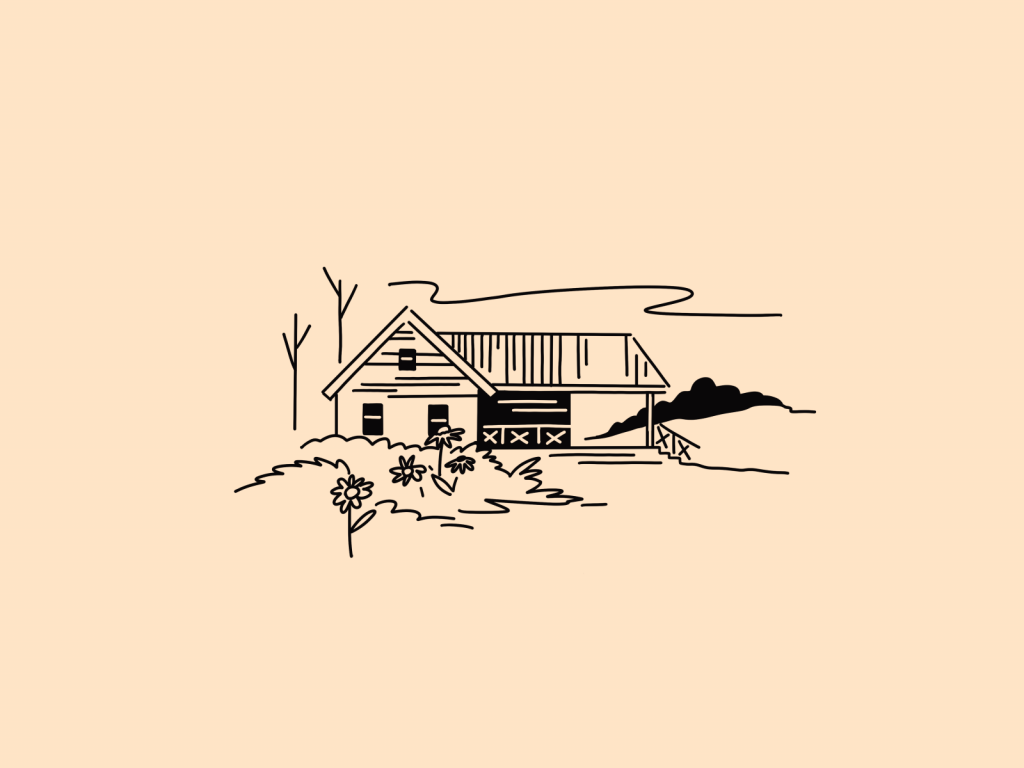
The food brand illustration sets—bakers, winemakers, cheesemakers, beekeepers—follow a repeatable structure: one illustration for the maker, one for the product, one for the place it’s made. This maker-product-place illustration system is worth stealing directly. It gives a small food brand enough illustration ideas for food brands and visual variety for a full marketing kit—packaging, business cards, a landing page—without commissioning a dozen unrelated assets, and shows how well line art works as illustration for packaging design.
If you’re briefing an illustrator for a local bakery or brewery, this is a useful moment to think about how to brief an illustrator: ask for this maker-product-place trio specifically; it maps almost perfectly onto an Instagram grid illustration or a folded brochure.
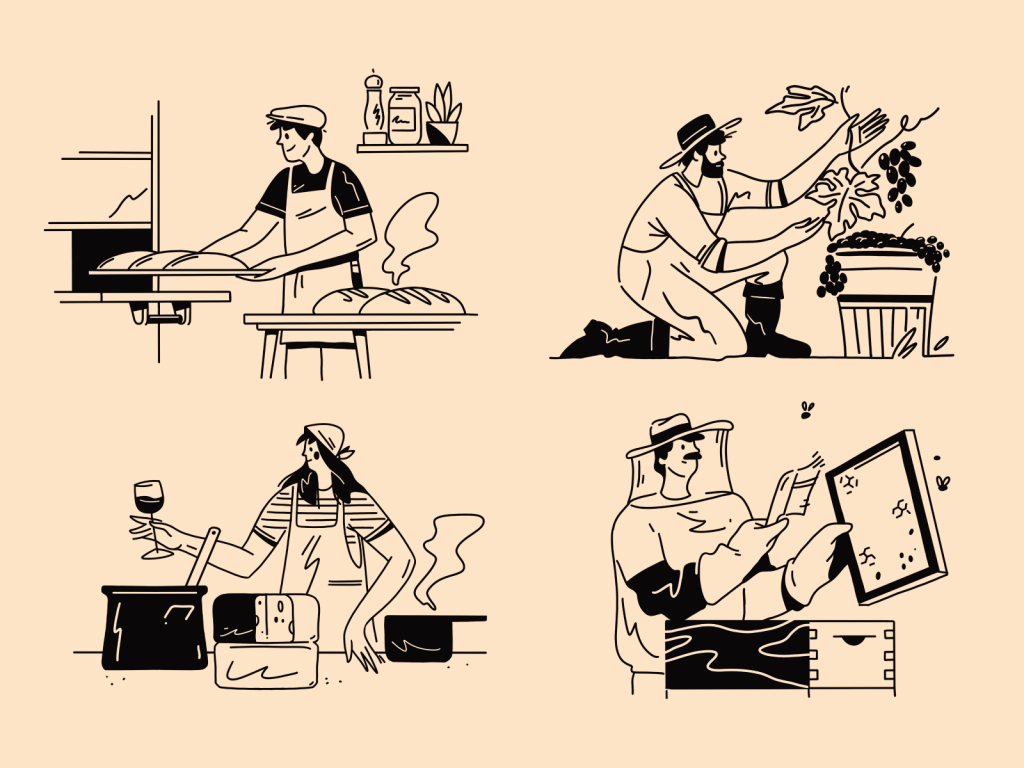
Winemakers
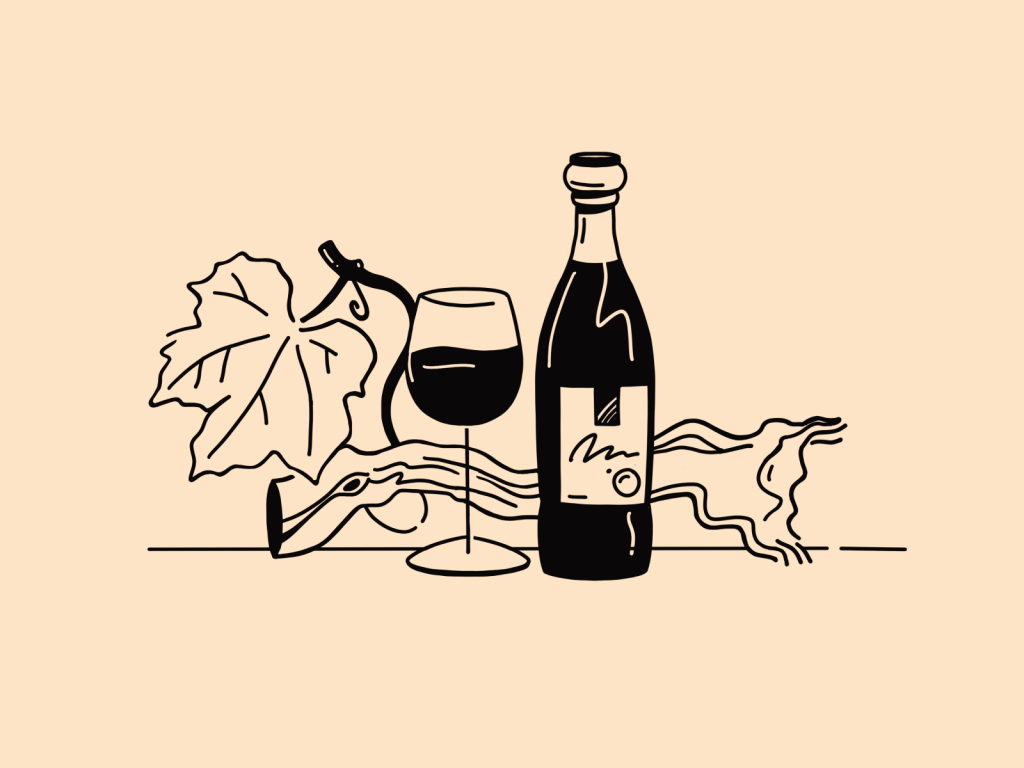
Cheesemakers
Bakers
Beekeepers
People Illustrations for Blog Headers and Landing Pages
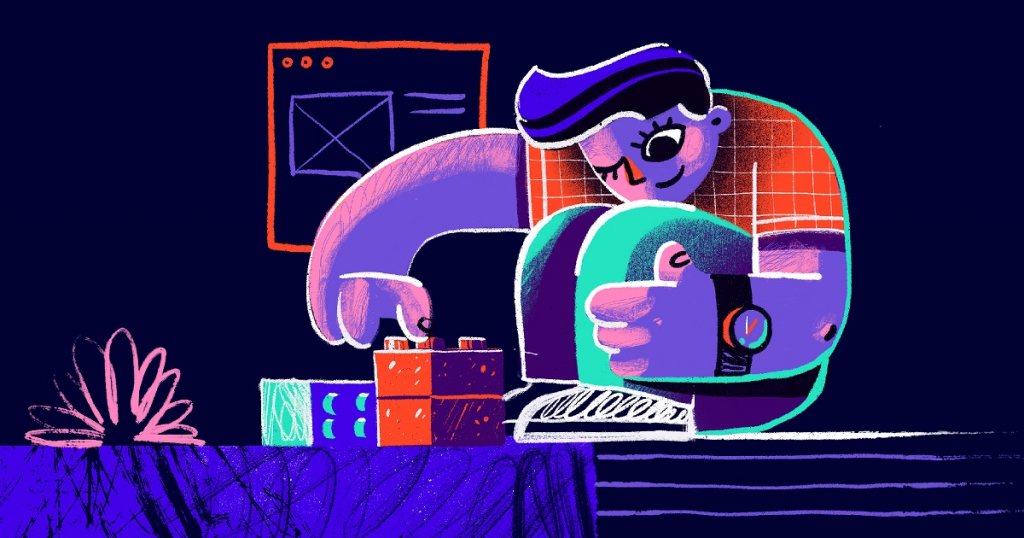
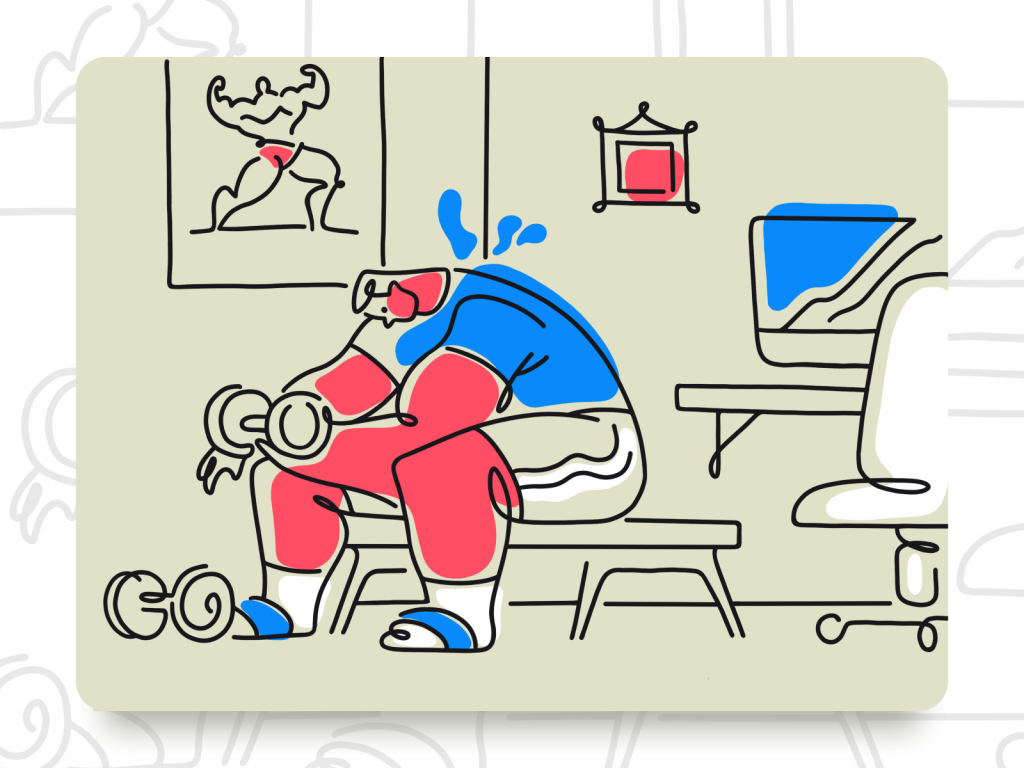
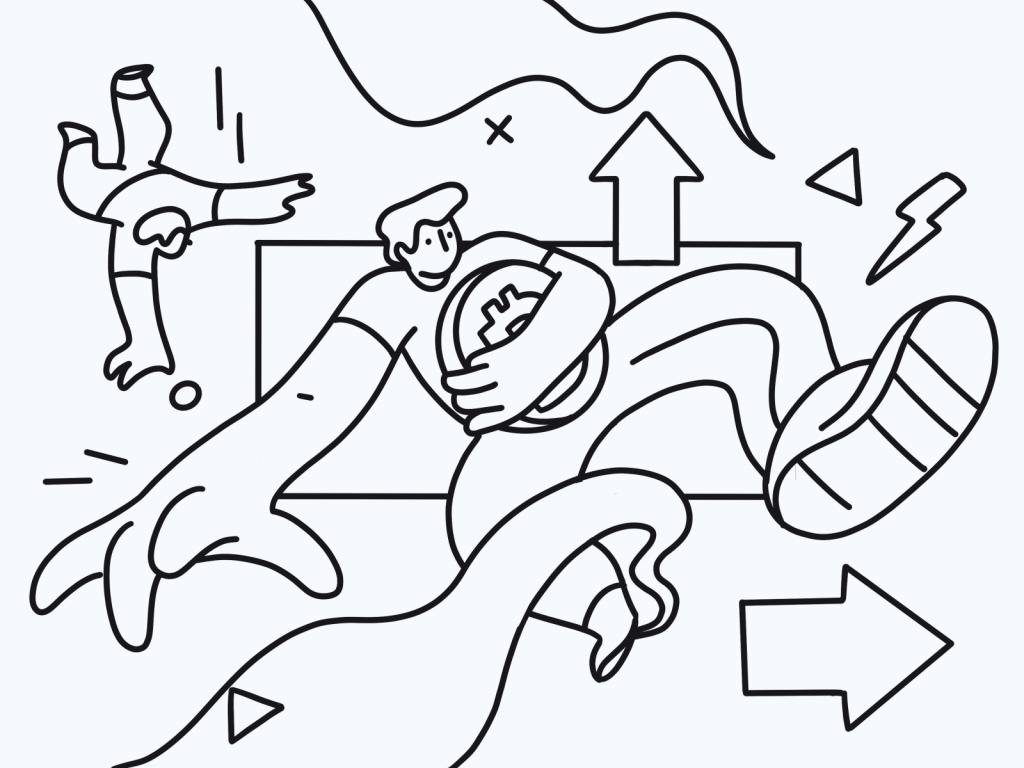
The human-character pieces—a strong example of character illustration for brands—cover remote work illustration, daily motivation, and crypto illustration style, three very different topics carried by the same linework, which proves the style’s real range. Line art solves a specific production problem: a blog needs a blog header illustration today, not a stock photo that’s already been used by four competitors. This is where landing page illustration earns its keep, too.
One practical habit worth adopting this week, and one of the better illustration briefing tips out there—before commissioning custom illustration, write the caption first. This is really custom illustration for startups thinking applied to any brief. Avakyan’s crypto piece works because the composition, gradients, and detail level were clearly built around one idea, not retrofitted after the fact.


The Takeaway for Your Next Brief
Line art illustration isn’t trendy so much as durable—it was doing this job before flat design existed and it’ll outlast whatever comes after gradients, which answers the line art vs flat design illustration question pretty cleanly. It’s a large part of why is line art used in branding at all: it ages well.
If you’re scoping an illustration project, request the three-asset system food brands use, lock a one-color rule for character work, and write your headline before you write the design brief. Small constraints like these are how to make brand illustration age well, and why some brand illustration ages well and most of it gets replaced within a year.
Recommended Reading
Good design writing is rare and we’ve hoarded a decent stash of it. Browse the rest of our case studies and think pieces below:
Art of Seasons: 30+ Bright Illustrations Inspired by Nature
45 Inspiring Illustrations About Workspaces, Creativity, and Art
Animal World: 4 Beautiful Illustration Sets About Wildlife and Pets
Book Illustrations for Visual Storytelling
Life in Pandemic Times: Theme Illustrations and Graphic Design Project
In Search of Illustration: Design Process for Illustration Set
20+ Atmospheric Digital Illustrations: From Landscapes to City Views
ABUK. Custom Book Cover Design for Audiobook App