
It always starts with a feeling.
Not with the layout. Not with the grid. Not with “let’s do something clean and modern and make it sell.”
Nope.
It starts with that click in your brain when you stumble on a site that feels more like a story than a product. And you think, God, how did they do that? And then, how do I pull it off too—maybe even cooler, cleaner, with a touch they didn’t see coming?
That’s what got me into design. Not “design” as a discipline, but design as a way of seeing. I didn’t want to make things that looked nice. I wanted to make things that made people feel.
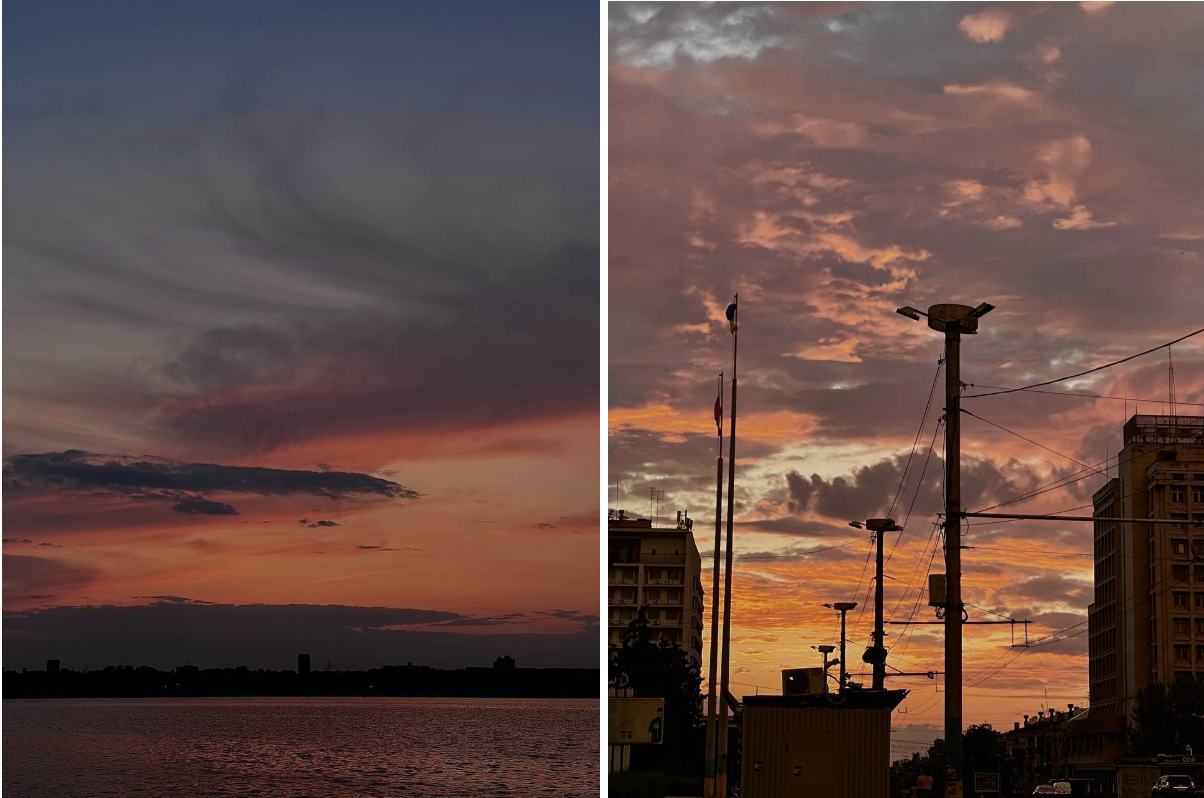
Somewhere along the way, I stopped limiting my inspiration sources to just screens and added nature to my toolbox as well. Blades of grass against a thunder-blue sky. Soft pinks melting into rust at sunset. The choreography of wind in trees. Those things don’t ask to be beautiful, they just are. And that made me realize—good design doesn’t scream for attention, it earns it through presence.
Cinema taught me the rest. How color speaks before words. How text can enter a screen like a character. How pacing isn’t just for storytelling—it’s how you guide and control attention. Wes Anderson’s Grand Budapest Hotel is a perfect example—that film is a masterclass in composition and color. You could get lost in the frames for hours, and I probably have.
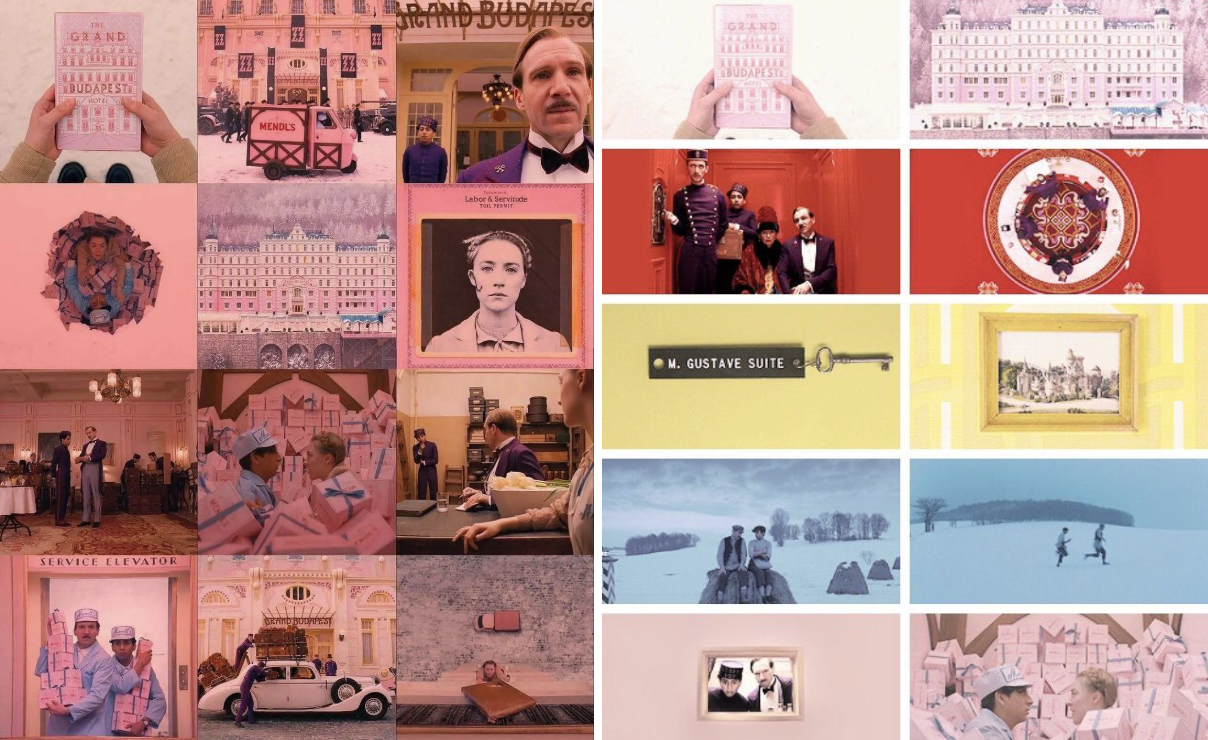
Inspiration Beyond Screens
But inspiration doesn’t always wear a beret. Sometimes, it’s in old buildings with stories hidden behind every wall. Or a stranger’s outfit—how the textures sit against each other. Or even just a weirdly satisfying shade of brick in the right light.
You don’t need Pinterest. You need eyes.
And space. And time. And permission to be still enough to notice.
I believe websites should carry an emotion. Otherwise, what’s the point? People don’t remember the layout. They remember the feeling.
Turning Emotion Into Interface
One of my favorite projects—Spylt, a brand of protein-rich caffeinated chocolate milk, was all about that. The goal was to capture something energetic, youthful, exciting. That meant bold animations, unexpected layouts, and tiny little micro-interactions that kept the whole thing breathing.
To keep that feeling alive in the work, I go back to the things that ground me. A candle, a scent of incense, a waving maneki-neko cat sitting on my desk beside a bunch of dried flowers. Or my favorite book on the topic—“Beauty” by Sagmeister & Walsh, pure visual satisfaction. I like having those little things around.
And when the inspiration’s really gone, I usually just keep going anyway—focus on the technical stuff first. The creative spark finds its way back when it’s ready.
It reminds me that design isn’t about trends. Or tools. Or showing off. It’s about crafting emotion you can’t put into words. The real work is filling your project with feeling—the kind that stays with you, even when the screen goes dark.